

The Body Mass Index is a weight-to-height index for assessing body weight and ranking on the scales of underweight, normal weight, overweight, and obesity. Although BMI is a tool for the general population, at the individual level it can underestimate or overestimate adipose tissue.
Body composition analysis comes to measure body composition so that we have a better measure of body fat and muscle mass, which we can measure and evaluate in the long run.
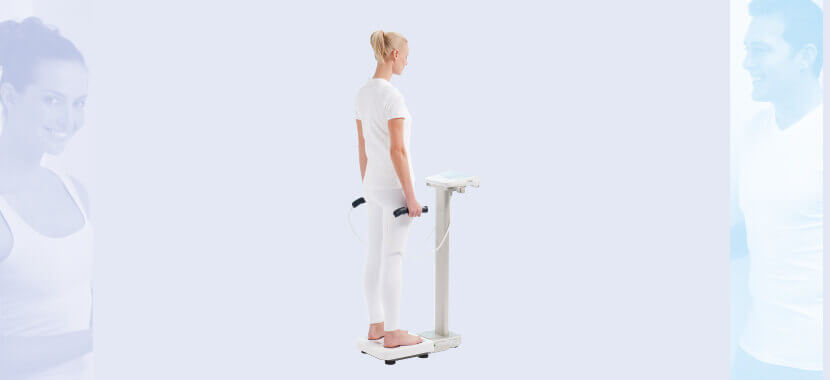
There are several ways to measure body fat. The use of body composition analyzers with bioelectric impedance technology (BIA) is one of the most reliable, easy and fast ways. The measurement lasts only 30 seconds!
In addition to measuring adipose tissue, in fact, we can also count muscle tissue and body fluids as a measure of hydration and edema / fluid retention.
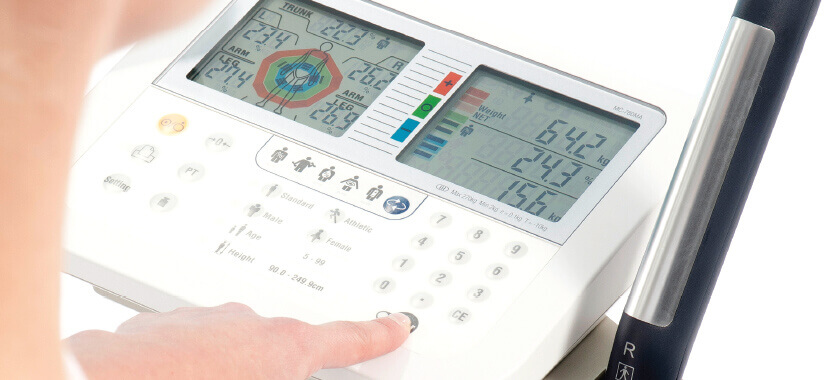
In the diet office, the measurement is made with the most modern multi-frequency body composition analyzer with partial analysis Tanita MC-980, which is used by recognized Universities and clinics around the world. It is the first 6-frequency fat meter in the world that provides the highest analysis of anthropometric characteristics in adults and children that analyzes:
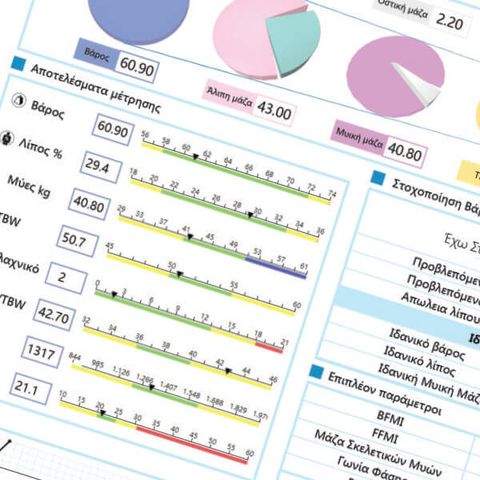
- Adipose tissue
- Fat mass (kg)
- Fat%
- Lean mass (kg)
- Muscle mass (kg)
- Bone mass (kg)
- Proteins (estimated) (kg)
- Metabolic age
- Basal metabolic rate (BMR) through equations
- Visceral Fat Rating
- Visceral fat graph
- Total Fluids (TBW) (kg)
- Total TBW Liquids (%)
- Intracellular Fluid (ICW) (kg)
- Extracellular Liquid (ECW) (kg)
- ECW / TBW ratio (%)
- ECW / TBW Graph
- Partial Analysis of Adipose and Muscle Tissue Distribution
- Muscle Mass Score
- Fat Rating
- Recommendation equilibrium assessment
- Physical Classification
- Muscle Mass Balance
- Leg Muscle Score
- Results history
- Bioelectric Values Reactance / Resistance
- Phase Angle
Instructions and preparation for the analysis of body composition with the method of Biolective Impedance
- Avoid eating and / or drinking large amounts of fluid at least 2-3 hours before the measurement.
- Drink plenty of fluids during the 24 hours prior to the measurement to ensure normal hydration conditions.
- Avoid exercising for 12 hours before the measurement.
- Avoid caffeine within 3 hours of the measurement.
- Empty the bladder at least 30 minutes before the measurement.
- Do not drink alcohol within 24 hours of the test.
- Because body fat estimates are affected by changes in body water content throughout the day, it is best to take the measurements at the same time of day.
- For women, menstruation affects the measurements.